One-Pot Chickpea Tomato Pasta Without Watery Sauce
The short answer
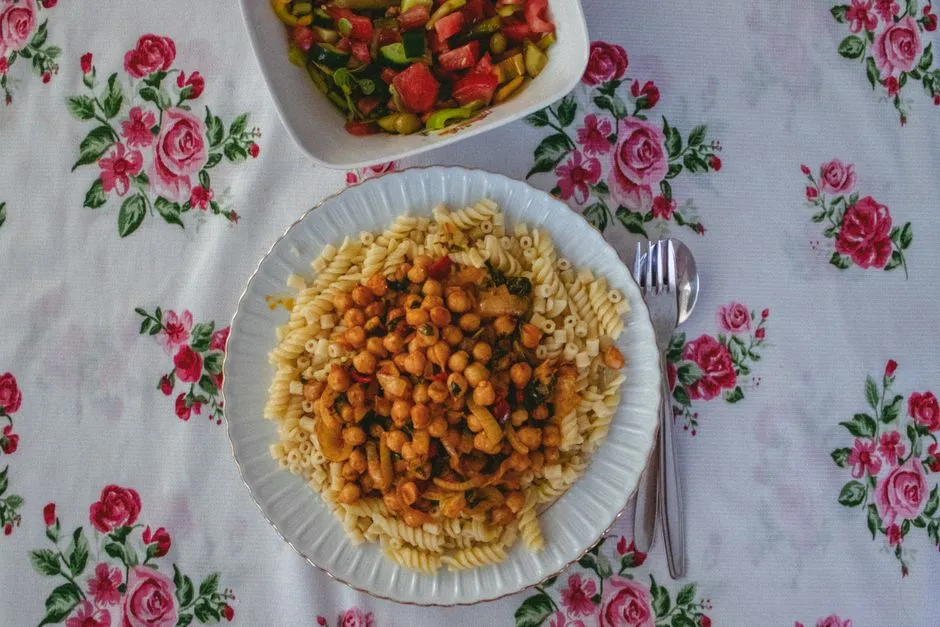
One-pot chickpea tomato pasta stays saucy rather than watery when you start with a measured amount of liquid, stir often, and stop cooking while a little loose sauce remains. For 12 ounces of short pasta, use one 28-ounce can of crushed tomatoes and 3 cups of water or low-sodium vegetable broth. Simmer uncovered so excess water can escape, then let the pot stand for 5 minutes to finish thickening.
This recipe serves four and takes about 38 to 46 minutes. It is tomato-rich, gently garlicky, and substantial enough for dinner. Chickpeas bring creamy texture and a pantry-friendly bit of heft; they are not here as a consolation prize.
Ingredients and timing
Timing and yield
- Serves: 4
- Prep time: 10 minutes
- Cook time: 23 to 31 minutes
- Standing time: 5 minutes
- Total time: 38 to 46 minutes
Ingredients
- 2 tablespoons olive oil
- 1 small yellow onion, finely chopped
- 3 garlic cloves, minced
- 1/4 teaspoon red pepper flakes, optional
- 2 tablespoons tomato paste
- 1 can crushed tomatoes, 28 ounces
- 3 cups water or low-sodium vegetable broth, plus more if needed
- 12 ounces short dry pasta, such as penne, fusilli, or shells
- 1 can chickpeas, 15 ounces, drained and rinsed
- 1 teaspoon dried oregano
- 3/4 teaspoon kosher salt, plus more to taste
- 1/4 teaspoon black pepper
- 2 loosely packed cups baby spinach, about 2 ounces
- 1 tablespoon lemon juice
- 1/2 cup finely grated Parmesan, optional, plus more for serving
- Chopped parsley or basil, optional
Choose a short pasta that fits below the liquid more easily than spaghetti. Different shapes and wheat blends absorb water at different rates, so the pot may need a small adjustment near the end. That is a normal cooking decision, not evidence that dinner has turned against you.
How to make it
1. Build a flavorful base
Heat the olive oil in a wide, heavy pot or deep 12-inch skillet over medium heat. Add the onion and cook for 5 to 6 minutes, stirring occasionally, until translucent and soft at the edges.
Add the garlic and red pepper flakes. Cook for 30 seconds, just until fragrant. Stir in the tomato paste and cook for 1 to 2 minutes. The paste should darken from bright red toward brick red and begin leaving a thin film on the pan. This brief frying step takes away its raw, metallic edge.
2. Add the pasta and measured liquid
Pour in the crushed tomatoes and 3 cups water or broth. Stir in the pasta, chickpeas, oregano, salt, and black pepper. Raise the heat and bring the mixture to a lively simmer, about 3 to 5 minutes, stirring along the bottom so no pasta sticks.
Once simmering, lower the heat to medium-low. Keep the pot uncovered. Cook for 12 to 16 minutes, stirring thoroughly every 2 minutes. Scrape across the bottom and into the corners, where pasta likes to settle when no one is watching.
The liquid should bubble steadily but not spit aggressively. If the mixture becomes dry before the pasta is nearly tender, add water 1/4 cup at a time. Wait and stir before adding more. It is easy to loosen a thick sauce and surprisingly tedious to persuade a flooded one to reconsider.
3. Stop before the sauce looks fully finished
Taste a piece of pasta at 12 minutes and continue until it is tender with a slight bite. Cooking time depends on shape and brand, so the package time is a useful starting point rather than a guarantee.
When the pasta is ready, the sauce should still look a little looser than you want on the plate. Turn off the heat. Fold in the spinach and stir until wilted, about 1 minute. Add the lemon juice and Parmesan, if using.
Cover the pot and let it stand for 5 minutes. The pasta continues absorbing liquid, and its released starch gives the sauce body. Stir once more. If it has become too tight, add 1 or 2 tablespoons of hot water. If it remains distinctly soupy, simmer uncovered for another minute while stirring.
Taste and adjust salt, especially if you used water rather than broth or skipped Parmesan. Spoon into bowls and finish with herbs, black pepper, or more cheese.
Why this pasta does not turn watery
Traditional pasta cooking sends the starch that leaches out of the pasta down the drain with the cooking water. In a one-pot method, that released starch stays in the sauce and helps thicken it. The method works when four things stay in balance: pasta, starting liquid, evaporation, and stirring.
The pot should be wide enough to expose sauce to the air. A narrow saucepan reduces evaporation and makes short pasta harder to submerge. Leaving the lid off during cooking matters for the same reason. Save the lid for the final 5-minute rest, after the pasta is tender.
Frequent stirring does two jobs. It keeps pasta from sticking to the bottom, and it moves starch into the liquid. Stir gently but completely. There is no prize for leaving half the penne welded beneath an otherwise lovely sauce.
Finally, judge the sauce after it rests, not at the moment the heat goes off. Pasta is still thirsty. A sauce that looks perfect on the burner can become pasty in the bowl; a slightly loose one usually settles into the right consistency.
Ingredient choices that matter
Crushed tomatoes
Crushed tomatoes make a relatively smooth sauce without blending. Diced tomatoes can work, but their firm pieces often remain distinct and the liquid around them may be thinner. If using whole peeled tomatoes, crush them by hand in a bowl before adding them.
Chickpeas
Drain and rinse canned chickpeas to remove their packing liquid. Add them at the beginning of the simmer so they warm through and some soften into the sauce. For more texture, hold back 1/2 cup and scatter it on each bowl at the end.
Water or broth
Water produces a clean tomato flavor and gives you full control over salt. Vegetable broth adds seasoning but varies considerably in saltiness. If using regular rather than low-sodium broth, begin with 1/4 teaspoon salt and adjust after the pasta cooks.
Cheese—or no cheese
Parmesan adds savory flavor and helps tighten the sauce, but the pasta does not depend on it. For a dairy-free dinner, omit it and add another teaspoon of olive oil at the table. Check packaged ingredients if you are cooking for allergies or strict dietary needs.
Useful variations
Smoky pepper pasta
Add 1 teaspoon smoked paprika with the oregano and replace spinach with chopped roasted red pepper. Keep the measured starting liquid unchanged; jarred peppers should be drained first.
Greens and lemon
Increase the spinach to 4 loosely packed cups and add the finely grated zest of half a lemon after cooking. Do not add lemon juice early because prolonged simmering softens its fresh flavor.
Mushroom and thyme
Before cooking the onion, brown 8 ounces of sliced mushrooms in 1 tablespoon of the oil. Transfer them to a plate, add the remaining tablespoon oil, and continue with the recipe. Stir the mushrooms back in with the spinach. Browning separately prevents them from simply steaming in tomato liquid.
If you need a poultry option for the same week, sheet-pan chicken and vegetables uses a similarly low-cleanup sequence but has its own thermometer-based safety endpoint.
How to fit it into a meal plan
This pasta earns a useful place in a realistic weekly meal plan because its durable ingredients tolerate schedule changes. Keep the pasta, chickpeas, tomatoes, and tomato paste in the pantry; buy spinach only if you want it. Frozen spinach also works, though it should be thawed and squeezed dry before adding so it does not dilute the sauce.
The recipe already makes a complete meatless dinner, but a crisp green salad or roasted vegetables add contrast. If serving bread, warm it during the pasta's final simmer rather than inventing a second cooking project.
For an optional non-meatless variation, fold leftover chicken in only for the final few minutes and reheat the finished dish to 165°F; see using leftover roast chicken.
Storing and reheating
Refrigerate leftovers in shallow, covered containers within 2 hours. Use them within 3 to 4 days. That storage window follows federal leftovers guidance; if the pasta sat at room temperature for longer than 2 hours, or longer than 1 hour above 90°F, discard it.
Pasta keeps drinking its sauce in the refrigerator. To reheat one serving, add 1 to 2 tablespoons water, cover loosely, and microwave in short intervals, stirring between them. For several servings, warm the pasta in a covered saucepan over medium-low heat with 1/4 cup water, stirring often. Reheat leftovers to 165°F.
Freezing is safe, but the pasta will soften after thawing. If you expect to freeze the whole batch, stop cooking while the pasta is still distinctly firm. Cool it promptly in shallow containers, freeze, and thaw in the refrigerator before reheating—or reheat it from frozen with extra time.
Troubleshooting the pot
The pasta is firm but the pot is dry: Use the small, measured water adjustment in the method, stir, and continue simmering only until tender.
The pasta is tender but the sauce is thin: Continue uncovered briefly while stirring, then reassess after the off-heat rest.
The sauce is too thick after resting: Stir in hot water 1 tablespoon at a time. A small correction is usually enough.
The bottom is scorching: Lower the heat and transfer the unburned pasta to a clean pot without scraping the scorched layer. A heavy, wide pan and regular stirring prevent the problem next time.
The flavor seems flat: Add salt in small increments, then lemon juice. More dried herbs cannot repair missing salt or acidity nearly as neatly.
The winning rhythm is simple: brown the base, measure the liquid, stir while simmering, and stop a shade early. Once that sequence feels familiar, a one-pot pasta becomes less of a recipe and more of a very useful Tuesday maneuver.